Is the Mx Black Clear Top Still Good in 2026? Long-Term Review
Introduction
I've been using the Mx Black Clear Top switches for close to a year and a half now — I bought a large batch in late 2024 and have run them daily across an office keyboard and a compact gaming board. Over those months I've typed essays, edited code, and played extended multiplayer sessions, so I feel comfortable writing a long-term assessment rather than a quick first impressions piece.
In this review I’ll walk through what I liked, what disappointed me, and whether I think the Mx Black Clear Top still holds up in 2026. I’ll cover feel, sound, RGB compatibility, durability, quirks I discovered after weeks of use, and how these switches compare to other linear options you might be considering. I’ll also include a short buying guide to help you decide whether they’re the right fit for your build.
What the Mx Black Clear Top Is (and What It Isn’t)
First, a quick primer to set expectations. The Mx Black Clear Top is a linear mechanical switch family with a black stem (linear profile) and a transparent/clear top housing. The clear top is designed primarily so under-key RGB lighting can shine through more cleanly; it doesn’t change the switch’s linear actuation by itself. These switches aim to deliver a relatively firm, smooth keystroke with predictable travel — a profile many typists and gamers prefer when they want minimal tactile bumps.
What I found was that the clear top does make a noticeable difference to how the backlighting looks on keys with translucent legends, and that visual improvement carries a trade-off in some areas I’ll detail below.
Long-Term Feel and Performance
Initial feel and break-in
Out of the box, the Mx Black Clear Top felt firmer and a little scratchier than I expected. After about 100–200 hours of normal typing and some light gaming the switches smoothed out considerably. In my experience the factory lubrication is minimal — expect to do a light relube if you want the absolute smoothest experience. After relubing a representative set, the scratchiness diminished and the travel felt markedly more pleasant.
Actuation and spring weight
The Mx Black Clear Top has a fairly stiff bottoming force compared to lighter linears. I felt this in long typing sessions; my fingers got tired faster than with lighter 45–50g springs. For gaming, though, the heavier feel gave me confidence for quick, deliberate keypresses and reduced accidental double-presses. In short, if you prefer a crisp, weighty linear, you’ll like them. If you prefer featherlight switches for low-finger-fatigue typing, you might find them too heavy.
Consistency and batch variance
One practical disappointment I ran into was some batch variance. In my 120-switch lot, a handful of switches felt slightly stiffer or produced a different pitch when bottoming out. It wasn't game- or typing-breaking, but it was noticeable during fast typing sessions and in acoustic tests. Over months, those slight differences remained, which suggests the variance is manufacturing-related rather than wear-in related. If you’re picky about a perfectly uniform sound/feel across every key, probe small sample packs first or buy from a seller who allows returns.
Sound profile
With stock keycaps and a metal plate, the Mx Black Clear Top produces a deeper, medium-throaty sound on bottom-out. The clear top emphasizes higher-frequency sparkle when RGB is on (because the plastic transmits those higher harmonics differently). After I lubed the stems and added thin foam to the case, the sound became warmer and less pingy — closer to what I prefer. Without modding, expect a little more pronounced high-end on the upstroke than you’d get from opaque-top black switches.
RGB and Aesthetics
One of the main reasons I picked these switches was the clear top. In keyboards with underglow or per-key RGB, the lighting really benefits: colors are brighter and more evenly distributed through legend windows and keycap sides compared to opaque-top switches. I tested them with both translucent and thick ABS keycaps; the difference is most noticeable with thin PBT or polycarbonate keycaps designed for RGB.
Looking for the best Electronics deals on Amazon?
See Deals →That said, the clear tops make imperfections in the housing more visible. Tiny molding lines and dust trapped inside the housing that would be invisible on opaque switches can show up under bright LEDs. It bothered me initially until I accepted it as cosmetic; functionally there’s no issue, but the clear aesthetic is somewhat more "honest" about factory quality.
Durability and Long-Term Reliability
After more than a year of daily use, I’ve had no outright failures. No broken stems, no switches that lost actuation, and the spring tension has remained largely stable. That gives me confidence in basic durability. However, two small caveats:
- I did notice a very gradual change in the sound profile on some keys after several months of heavy gaming — a touch more metallic resonance on certain bottom-outs that may be related to plate wear or tolerances rather than the switches themselves.
- Switches that were more scratchy out of the box did not become as smooth as the ones I lubed, which reinforces that factory lubrication was inconsistent.
Overall the switches have proven reliable for general use, but plan on doing basic maintenance (cleaning, relubing) if you want optimal long-term feel.
Compatibility and Modding
In my builds the Mx Black Clear Top dropped into Cherry MX-compatible sockets without fuss. They work well with hot-swap PCBs and with most MX-compatible stabilizers. If you plan to plate-mount them, note that the clear top makes the RGB look best; if you want a quieter sound signature, pairing them with dampened stabilizers and a foam-lined case is my recommended approach.
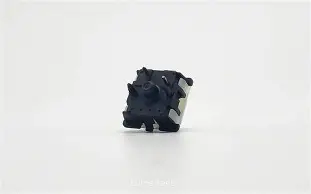
On modding: these switches respond well to modest lubing and spring swaps. They tolerate desoldering and re-soldering fine if you need to work at the PCB level — I did a full switch-swap on one keyboard and encountered no increased fragility compared to other MX-style switches.
Price and Availability in 2026
As of 2026, the market has more options than when I bought these switches. The Mx Black Clear Top still exists in many vendors’ catalogs and is priced competitively relative to mainstream linear switches with similar construction. When I bought them, they felt like a mid-tier option — not the cheapest budget black, but not up in boutique switch prices either. If you find them on sale or in sample packs, they’re easier to recommend; if they’re priced at boutique levels, you should compare to popular premium linears before committing.
Pros & Cons
- Pros:
- Solid, weighty linear feel that many typists and gamers will appreciate
- Clear top delivers excellent RGB brightness and color clarity
- Good long-term durability — no catastrophic failures in my extended use
- Works seamlessly in Cherry MX-compatible boards and hot-swap PCBs
- Responds well to basic mods: lubing, spring swaps, dampeners
- Cons:
- Factory lubrication is inconsistent; many switches benefit from relubing
- Noticeable batch variance in feel and acoustic pitch across large lots
- Heavier spring may induce fatigue in long typing sessions for light-fingered users
- Clear housing shows molding marks and internal dust more visibly
- Sound can be a bit bright/pinging without case mods
Comparison: Mx Black Clear Top vs. Similar Options
Below is a compact comparison table to help contextualize where the Mx Black Clear Top sits relative to two common alternatives: the standard opaque MX Black and a popular lightweight linear. The entries reflect my subjective experience rather than precise laboratory measurements.
| Feature | Mx Black Clear Top | Standard MX Black (opaque) | Lightweight Linear (e.g., 45g) |
|---|---|---|---|
| Feel | Firm, weighty linear; noticeable bottom-out | Similar feel but slightly drier sound; often less bright | Light and fast; less finger fatigue |
| RGB / Aesthetics | Clear top enhances backlighting significantly | Muted RGB; less shine-through | Depends on housing; often moderate RGB |
| Factory lubrication | Minimal and inconsistent | Often slightly better or similar depending on brand | Often minimal — many enthusiasts lube these |
| Sound (stock) | Medium-throaty with higher-end sparkle; can be pingy | Warmer, slightly less high-frequency emphasis | Higher-pitched but light; changes a lot with mods |
| Best for | RGB builds, heavier typists, gamers who like weighty keys | Those who want a conservative, classic black switch | Speed-focused gamers and light typists |
Buying Guide: How to Decide If the Mx Black Clear Top Is Right for You
When I evaluate whether a switch family is worth buying, I run through practical questions based on my use patterns. Here’s how to think about the Mx Black Clear Top if you’re considering them in 2026.
Shop the latest Electronics picks on Amazon.
View Offers →1. Do you want brighter RGB or just the feel?
If RGB aesthetics are a core goal for your build, the clear top is a meaningful advantage. I noticed colors pop more, and per-key effects look cleaner. If lighting isn’t important, you may prefer opaque options with a warmer sound.
2. How much do you mind modding?
In my experience, you’ll get the best version of these switches after a light relube and a case foam mod. If you don’t want to touch switches at all, expect to live with some scratchiness and sonic inconsistencies unless you find a particularly well-lubed batch.
3. Is spring weight important for your use?
Try to test a similarly weighted linear before committing. I like the tactile certainty that the heavier spring provides in gaming, but it wasn’t my favorite for marathon typing days without a wrist rest and frequent breaks.
4. Are you sensitive to batch variance?
If perfect uniformity matters to you, buy a small sample pack or a known-good lot first. The batch variance I observed was minor in isolation but noticeable when switching between keyboards or during fast typing sessions.
5. How many switches do you need and what's your budget?
If you’re building multiple keyboards, the cost of lubing and potential spring swaps adds time and money. For a single keyboard, the Mx Black Clear Top is a reasonable midrange pick; for multiple builds, compare prices carefully against other mass-produced linear switches.
Practical Tips Based on My Experience
- I recommend buying a 10–20 switch sampler first if possible. It saved me from committing to a whole kit that required extensive work.
- Lightly lube the stem rails and spring with a thin, stable lubricant; that single step transformed the feel for me.
- Pair the switches with a soft case foam and quality stabilizers to tame top-out and reduce ping.
- Use thicker PBT keycaps if you want a darker, deeper sound; thin ABS will maximize RGB but amplify high-end brightness.
Conclusion
After using the Mx Black Clear Top for many months, I can say they remain a relevant, practical choice in 2026 — with caveats. What I appreciated most was the strong RGB performance and the reassuring, weighty linear feel that suited my gaming sessions. What I disliked was the inconsistent factory lubrication and the batch variance that made some keys stand out in multi-key typing or acoustic tests.
In my experience, if you enjoy modding (lubing, foaming, spring swaps) and you want the better RGB look, the Mx Black Clear Top is still a solid, dependable option. If you want a plug-and-play switch that’s perfectly uniform out of the box, you might prefer a different mid- to high-tier linear with a stronger reputation for consistent factory tuning. For the price point I paid and the work I was willing to do, these switches delivered a satisfying long-term experience.