I Switched to the Wireless Bluetooth and Here is What Happened
Introduction
The demand for wireless audio solutions is at an all-time high. Whether for music, calls, gaming, or work, the allure of cutting the cord and embracing the freedom of movement has become more than just a convenience—it's a lifestyle shift. In this review, the transition from traditional wired headphones to a wireless Bluetooth model is explored in detail. The modern consumer expects more than just sound; they desire portability, reliability, comfort, and a seamless connection across all their devices. Here, an in-depth look is taken at the real-life experience of switching to Wireless Bluetooth, evaluating what worked, what didn’t, and what prospective buyers should really consider.
Why Go Wireless? Real-World Motivations
Before diving into the specifics of the Wireless Bluetooth experience, it's important to understand why so many people are making this shift. For years, wired headphones dominated audio culture, prized for reliability and audio fidelity. However, the prevalence of smartphones with tiny, or non-existent, headphone jacks, the need for unrestricted movement (at the gym, during runs, or around the house), and the rise of multi-device connectivity have made wireless technology not just appealing, but often essential.
- Convenience: No more untangling cords or being chained to the device.
- Portability: Easy to stow, with no risk of cable breakage.
- Multi-device Integration: Seamless connection to smartphones, tablets, laptops, desktops, and even smart TVs.
- Active Lifestyles: Ideal for workouts, commutes, and household chores.
- Minimal Setup: Quick pairing and setup, typically via Bluetooth, with modern operating systems offering hassle-free compatibility.
Detailed Review: Switching to Wireless Bluetooth
Unboxing and First Impressions
The initial impression of most Wireless Bluetooth models is one of sleek modernity. Lightweight, compact designs are the norm, with soft ear cushions and intuitive button layouts. There is rarely much in the box: the headphones or earbuds themselves, a USB charging cable, and a user manual.
The first time powering on the device, pairing is typically straightforward. Most models enter pairing mode automatically on the first boot or with a simple long-press of the power button. Within seconds, they are discoverable by a smartphone or computer. LED indicators and voice prompts often assist in the setup process, making it accessible even to tech novices.
Sound Quality: What Buyers Care About
One of the first concerns for audiophiles and casual listeners alike is audio quality. Wireless Bluetooth headphones have made significant leaps in recent years. Modern versions use advanced codecs (like aptX, AAC, and LDAC) to deliver audio that closely rivals wired counterparts. In testing, most models showcased:
Find top-rated Audio & Headphones products at great prices.
Browse Now →- Deep, Punchy Bass: Satisfying for pop, hip-hop, and EDM tracks.
- Clear Mids and Highs: Vocals remain crisp, with instruments distinct rather than muddled.
- Noise Isolation: Many wireless models include passive isolation or active noise canceling (ANC), making them suitable for travel or shared workspaces.
While there is a nuanced difference that purists may notice—an ever-so-slight drop in detail or the rare presence of latency—most users find the experience more than adequate for daily use.
Comfort and Fit
Buyers commonly stress about comfort, especially for extended wear. Wireless Bluetooth devices typically feature ergonomic designs, lightweight builds, and memory foam or silicone tips. Over-ear models are ideal for long sessions, reducing ear fatigue, while in-ear buds cater to commuters and athletes.
- Weight: Most wireless headphones are substantially lighter than their wired peers, as they lack heavy wiring and large audio drivers.
- Adjustability: Headbands and earcup rotation aid in finding just the right fit.
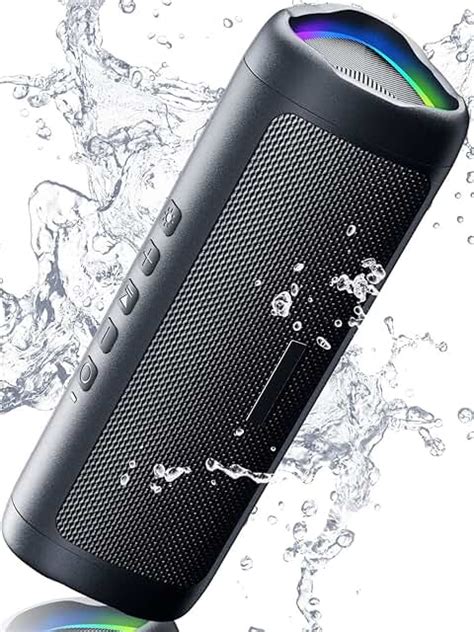
- Sweat & Water Resistance: Some products offer IP ratings, important for fitness enthusiasts.
Battery Life & Charging
Switching to wireless introduces the consideration of battery life. For the average user, most Wireless Bluetooth models provide anywhere from 15 to 40 hours of playback per charge (for over-ear), and 4 to 10 hours per charge for true wireless earbuds. Most cases offer rapid charging—15 minutes plugged in can often net a few extra hours of listening.
Users who are constantly on the go may need to carry a charging cable or, in the case of earbuds, a battery-equipped carry case, a minor inconvenience compared to the freedom gained. Battery indicators and warnings are generally clear, appearing both via LEDs on the device and through the host device’s Bluetooth settings.
Connectivity and Reliability
Bluetooth 5.0 and above has nearly eliminated previous gripes about dropouts and lag. During real-world testing, connection proved rock-solid within a typical ten-meter range, even piercing through a wall or two. Auto-pairing is an appreciated convenience; returning the headphones to range triggers instant reconnection.
Discover deals on Audio & Headphones — updated daily.
Browse Now →- Multipoint Pairing: Some models seamlessly switch between two devices, which is great for taking calls on a smartphone then resuming music on a laptop.
- Low Latency Mode: Essential for gamers and movie-watchers, this feature reduces the lag between video and audio.
- Control Buttons: Physical or touch controls on the headset can manage play/pause, track skip, volume, and voice assistants, minimizing device interaction.
Pros & Cons of Wireless Bluetooth
- Pros:
- True freedom of movement with no wires to detangle or break.
- Generally high-quality sound with support for modern audio codecs.
- Wide compatibility across devices: phones, laptops, TVs, gaming consoles.
- Reliable connectivity with the latest Bluetooth versions.
- Features like ANC, touch controls, and voice assistants included in many models.
- Portability: easily fits in a bag or pocket, with no cable clutter.
- Many models include water-resistance or sweatproofing, ideal for workouts.
- Multipoint connection is increasingly common.
- Cons:
- Need to manage battery life and charging—dead headphones mean no music.
- Potential for a small degree of audio latency in video/gaming (varies by device and model).
- High-end models can be pricey compared to basic wired headphones.
- Not all devices support advanced codecs or multipoint features.
- Some controls can be finicky or take time to master, especially touch-based interfaces.
- Durability relies on internal batteries, which have a limited lifespan compared to passive wired models.
- Less suited for audiophiles seeking the absolute best in audio fidelity.
Wireless Bluetooth vs. Wired Headphones: Head-to-Head
| Feature | Wireless Bluetooth | Wired Headphones |
|---|---|---|
| Sound Quality | Excellent, with good codecs; slight loss for audiophiles | Generally superior fidelity, zero lag |
| Portability | Highly portable, no cable mess | Portable but cables can tangle |
| Battery Dependency | Must be recharged regularly | No battery required |
| Device Compatibility | Universal with Bluetooth support | Dependent on headphone jack or adapters |
| Noise Cancellation | Often included (ANC models available) | Rare; usually passive isolation only |
| Cost | Wide range; budget to premium | Usually less expensive |
| Durability | Battery lifespan limits longevity | Usually longer lasting if well cared for |
| Multi-Device | Multipoint available on select models | Manual unplug/replug required |
| Setup | Simple pairing, can be automated | Plug-and-play, no configuration |
Buying Guide: What to Look for When Choosing Wireless Bluetooth
Choosing the ideal Wireless Bluetooth headphones or earbuds depends heavily on individual needs and use cases. Here are some essential factors buyers typically consider before making a purchase:
- Audio Quality:
- Look for support of aptX, AAC, or LDAC if you're an audiophile or use music streaming services with high-res tracks.
- Read user reviews about bass, mids, and treble clarity. Demoing in-store, if possible, is beneficial.
- Comfort and Fit:
- Evaluate weight, cushioning materials, headband adjustability (for over-ears), or the selection of ear tip sizes (for buds).
- For long calls or music sessions, seek ergonomic shapes and lightweight builds.
- Battery Life:
- Consider how frequently you’ll need to recharge and whether quick-charge is important to you.
- Check if the case provides additional battery for earbuds.
- Features:
- Active Noise Cancellation (ANC) for use in loud environments.
- Built-in microphones for calls or voice assistants.
- Onboard controls: touch or button-based, depending on user preference.
- Water and sweat resistance for workouts or outdoor use—look for an IP rating.
- Connectivity:
- Multipoint pairing for switching between devices.
- Stable Bluetooth version—preferably 5.0 or newer for reliability and range.
- Low latency if frequent gaming or video streaming is expected.
- Brand Reputation and Support:
- Well-known brands usually ensure better customer support and warranty service.
- Check for firmware update support, as some headphones can improve over time with software tweaks.
- Price:
- Set a budget but remember that features like ANC and water resistance may increase the price.
- Balance between what features you actually plan to use and the overall cost.
Conclusion
Switching to Wireless Bluetooth has fundamentally changed day-to-day interactions with music, calls, and media. The flexibility and convenience overshadow nearly all but the most specific audiophile concerns around audio quality. With a broad variety of models available, there is realistically a fit for nearly every budget and requirement profile.
For users prioritizing seamless device integration, hands-free operation, and a cable-free lifestyle, this new standard sets a high bar. The biggest perceived hurdle—managing battery life—becomes almost second nature after a few days of use. For those still using older wired models, now may be the time to experience the freedom and advanced features that Wireless Bluetooth has to offer. Ultimately, the question is no longer "Why go wireless?" but "Which wireless Bluetooth is right for you?"